
Why Most Small Businesses Don’t Actually Have a Brand

Here’s a hard truth most business owners do not want to hear: having a logo does not mean you have a brand.
Neither does having a website. Or an Instagram page. Or business cards.
Yet this is where most small businesses stop. They invest in visuals, maybe even run a few ads, and assume they are “building a brand.” What they are actually building is visibility without identity. And that is why so many small businesses struggle to stand out, attract premium clients, or create long term loyalty.
In 2026, attention is expensive. Clarity is currency. And without a real brand, you are competing on noise and price.
Let’s break down why most small businesses do not actually have a brand, and what to do about it.
The Logo Trap: Mistaking Design for Strategy

One of the biggest branding mistakes small businesses make is equating branding with graphic design.
Yes, design matters. Visual identity plays a powerful role in perception. But branding starts long before colors and fonts enter the picture.
A logo is a symbol. A brand is a strategy.
Your brand is your positioning, your messaging, your voice, your promise, your personality, and the emotional experience people associate with your business. If those things are unclear, inconsistent, or undefined, your visuals are simply decoration.
Strong branding answers key questions:
Who are you really for?
What specific problem do you solve?
Why should someone choose you over competitors?
What do you want to be known for?
If you cannot answer these clearly, you do not have a brand yet. You have assets.
No Clear Positioning
Another reason most small businesses lack a real brand is weak positioning.
Positioning is how you intentionally occupy space in your customer’s mind. It is not about being everything to everyone. It is about being the obvious choice for someone specific.
Many small businesses try to appeal to everyone. They describe their services in broad, generic terms. They avoid strong opinions because they do not want to “lose potential clients.”
The result? They become forgettable.
If your message sounds like everyone else in your industry, customers have no reason to remember you. Or worse, they compare you purely on price.
Clear positioning gives your brand edge. It creates distinction. It builds authority.
Without it, you are just another option.

Inconsistent Messaging Across Platforms
Take a look at many small business websites and social media accounts.
The website sounds formal. Instagram sounds casual. LinkedIn sounds corporate. The email newsletter sounds like it was written by someone else entirely.
This inconsistency is a silent brand killer.
A real brand has a defined voice and tone. It knows how it speaks. It knows how it shows up. It creates a cohesive experience across every touchpoint.
Inconsistent messaging creates confusion. And confused customers rarely buy.
Brand consistency builds trust. Trust builds conversions.
No Defined Brand Promise
Strong brands make a clear promise. Not a vague one. A specific one.
What transformation do you offer? What outcome do customers walk away with? What makes your approach different?
Many small businesses focus only on services. They say what they do, but not what that means for the customer.
There is a big difference between:
“We offer business consulting services.”
And:
“We help small businesses clarify their brand strategy so they can attract higher paying clients and grow with confidence.”
One lists a service. The other communicates value.
Your brand promise is the bridge between what you do and why it matters.
Without that bridge, you blend in.
Chasing Trends Instead of Building Identity

Trends are tempting. A new design style goes viral. A new content format starts gaining traction. A new color palette dominates social feeds.
Small businesses often jump from one trend to the next, hoping something sticks.
But brands are not built on trends. They are built on identity.
When your brand shifts every few months to follow what is popular, it signals uncertainty. It tells your audience you are still figuring yourself out.
There is nothing wrong with evolving. Growth is good. But evolution should be intentional, not reactive.
A strong brand knows who it is. Trends become enhancements, not foundations.
Lack of Customer Experience Strategy
Branding does not stop at visuals and messaging. It extends into experience.
How easy is it to navigate your website?
How fast do you respond to inquiries?
How clear is your onboarding process?
How does it feel to work with you?
Many small businesses focus heavily on marketing but ignore the experience after someone says yes.
Your brand is built in those moments.
If your experience feels disorganized, slow, or inconsistent, your brand perception suffers, no matter how beautiful your graphics look.
A real brand considers the full journey.
So What Does a Real Brand Look Like?
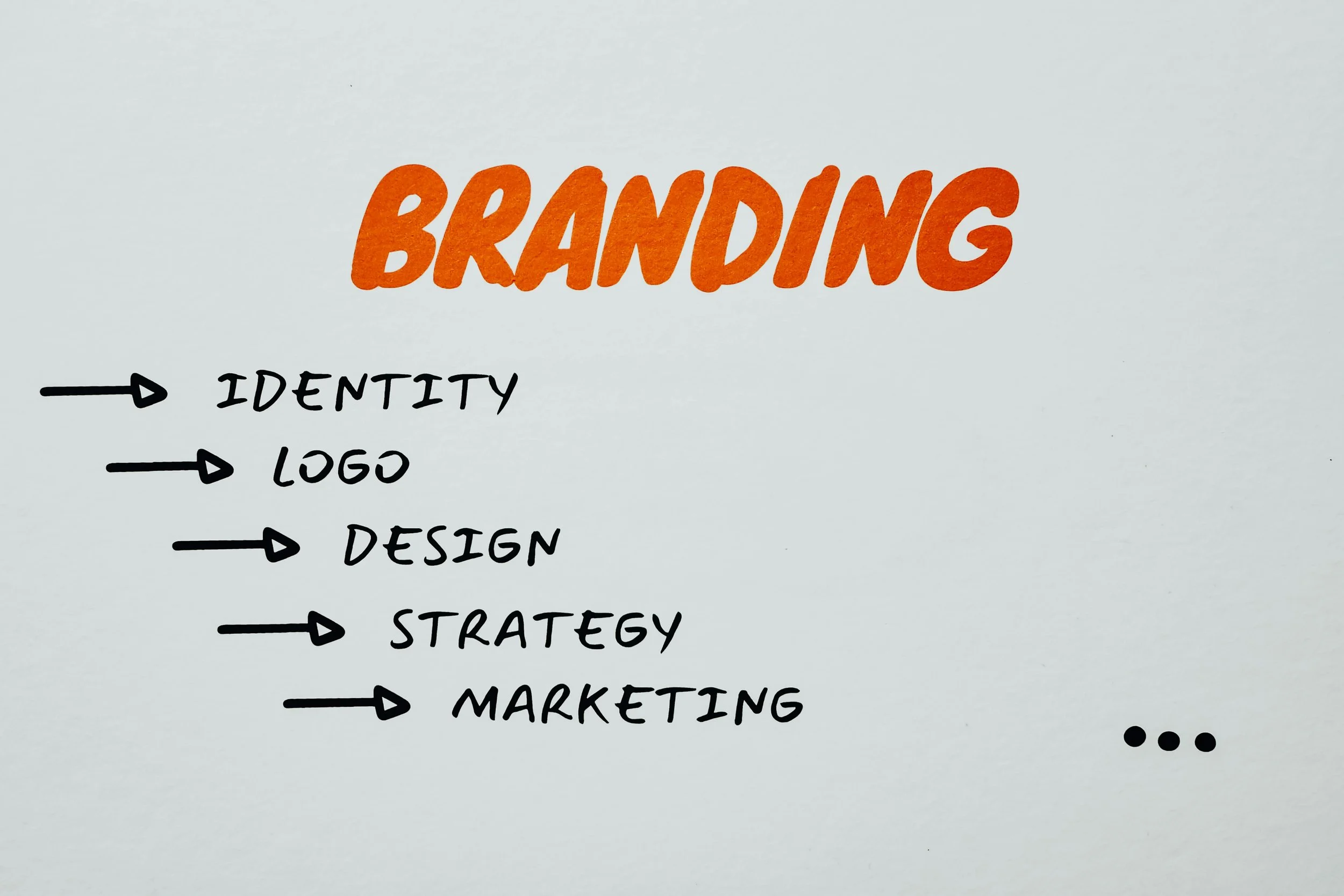
A real brand is intentional.
It has:
Clear positioning
Defined messaging
A consistent voice
A strategic visual identity
A strong customer experience
A specific audience
A compelling brand promise
It knows what it stands for. And just as importantly, it knows what it does not.
When a small business moves from scattered marketing efforts to a cohesive brand strategy, everything changes. Content becomes easier to create. Sales conversations become smoother. Referrals increase. Confidence grows.
Because clarity creates momentum.
How to Start Building a Real Brand
If you are realizing that your business might not have a fully developed brand yet, that is not failure. It is opportunity.
Start with strategy before aesthetics.
Define your target audience in detail.
Clarify your positioning.
Refine your message.
Identify your brand personality and tone.
Then build visuals that support that foundation.
Design should express strategy, not replace it.

Final Thoughts
Most small businesses do not lack talent. They lack clarity.
Branding is not about looking established. It is about being intentional. When you build a brand rooted in strategy, alignment, and consistency, you stop chasing customers and start attracting the right ones.
If you want your business to grow beyond word of mouth and random visibility, it is time to stop thinking in terms of logos and start thinking in terms of identity.
Because in 2026 and beyond, businesses without brands will struggle.
But businesses with clear, strategic brands will lead.
